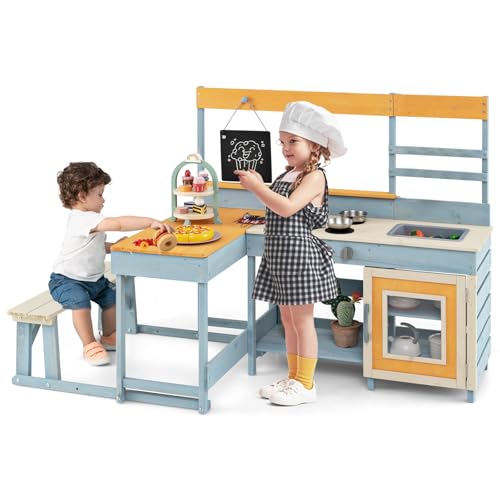
Crafting Perfect Play Area on Budget in 2026
Creating an inviting play area does not have to mean breaking the bank. In 2026, families are finding creative and cost-effective ways to develop spaces that are safe, engaging, and enjoyable for children. This article will delve into practical tips, innovative materials, and strategic planning to help you design the perfect play area on a budget.
Understanding the Needs of Your Space
Before diving into the design of your play area, it is essential to assess the specific needs of your children and the space available. Take into account the age range of the children who will be using the area. For example, toddlers may require different safety features and play equipment than older children. This 2026, many families are opting for multifunctional spaces that can adapt to the changing needs of their children.
Consider the following when planning your play area:
- The available square footage
- Safety concerns such as soft surfaces and appropriate barriers
- The types of play that will occur, such as active play or quiet activities
In 2026, many parents are embracing outdoor play areas as a way to encourage physical activity while also utilizing natural elements. If you have a backyard, think about how you can incorporate existing features like trees or slopes into your design.
Budget-Friendly Materials and Resources
Choosing the right materials is crucial when crafting a play area on a budget. There are numerous affordable options available that do not compromise on quality or safety. For 2026, consider sourcing materials from local suppliers or even repurposing items you may already own.
People Also Look For:
- SONGMICS Prince Castle Play Tent, Portable Pop Up Playhouse
- ArkChroms Toddler Sand Water Table Toy with Electric Pump, Kids Water Table, Sand Play Set with Faucet/Food Accessories/Fishing To...
- Foldable Trampoline, Mini Trampoline for Kids, Three Adjustable Heights, Anti-Slip T-Handle, Noise-Free, 150kg, Suitable for Child...
- Kids Indoor Trampoline with Safety Net - Toddler Trampoline for Children Ages 3-6, Integrated Jumping Mat A Spring Not a Bungee Co...
- WICKEY Wooden climbing frame Smart Queen with swing set, blue-yellow tarp & blue slide, Outdoor kids playhouse with sandpit, climb...
Recycled and Upcycled Materials
Upcycling is a sustainable and cost-effective way to create unique play structures. Items such as old pallets can be transformed into benches, while large plastic containers can serve as imaginative playhouses. Local community groups often share tips on how to repurpose items creatively. For instance, transforming a discarded tire into a swing can provide endless fun for children.
Natural Elements
Incorporating natural elements into your play area can enhance the experience while staying within budget. Using logs, rocks, or sand can create engaging play spaces. In 2026, many families are opting for natural wood structures as they blend seamlessly with outdoor environments. For example, a log balance beam can challenge children’s coordination while being an attractive addition to the landscape.
Designing Interactive Play Zones
Creating zones within your play area can promote different types of play. In 2026, experts recommend designing spaces that encourage creativity, physical activity, and social interaction. Each zone can serve a specific purpose, making the area versatile and engaging.
Creative Zones
Consider setting up a craft area equipped with tables and a variety of art supplies. In 2026, the trend of outdoor art stations is gaining traction. Children can paint, draw, or create sculptures using natural materials found in the environment. This not only fosters creativity but also allows children to connect with nature.
Active Play Zones
Incorporating climbing structures, swings, or obstacle courses encourages physical activity. When designing these areas, ensure that safety is a priority. Soft surfaces such as mulch or rubber mats can minimize injury risks. Many families in 2026 are building DIY climbing walls using affordable materials that offer children a fun challenge.
Incorporating Technology for Learning and Fun
In this digital age, integrating technology into play areas can enhance learning experiences. For 2026, interactive installations like augmented reality games can provide educational fun. These can be budget-friendly when sourced from local tech initiatives or community programs.
It is essential to balance screen time with physical play. Engaging educational apps can also be utilized on tablets or smartphones during quieter moments in the play area. Families are encouraged to explore options that promote both physical and cognitive development.
Community Resources
Many communities offer resources for creating play areas, including grants or workshops. In 2026, local governments are increasingly supporting initiatives that promote outdoor play. Researching these options can open doors to funding opportunities that help enhance your play area. Participating in community events can also provide inspiration and connect you with other families who share similar goals.
Maintaining the Play Area
Once your play area is established, ongoing maintenance is crucial to ensure safety and longevity. Regularly inspect equipment for wear and tear, and keep the area clean. In 2026, families are encouraged to involve children in maintenance tasks, teaching them responsibility and care for their environment.
Establishing a routine for cleaning and inspecting the area can prevent accidents and promote a safe environment. This can include simple tasks such as checking swings for stability or ensuring that no sharp objects are present in the play area. In many communities, families are forming groups to share responsibilities, making upkeep a shared effort.