Insider Tips for Choosing the Right Play Equipment
As we enter 2026, selecting the right play equipment for children has become increasingly essential. In an era where child safety and developmental needs are paramount, parents and educators must consider various factors before making a decision. The right play equipment not only promotes physical activity but also fosters social skills, creativity, and cognitive development. This article aims to provide you with insider tips that will guide you towards making informed choices when it comes to play equipment.
Understanding Developmental Needs
When selecting play equipment, understanding the developmental stages of children is crucial. Different age groups have varying needs and abilities. For instance, toddlers require equipment that supports gross motor skills such as climbing and balancing, while older children may benefit from more complex structures that encourage imaginative play and social interaction.
In 2026, play equipment designed to cater to specific age groups has become more accessible. Manufacturers are now creating products that are tailored to meet the developmental milestones of children from infancy through preadolescence. This means that when you choose play equipment, you should consider the age range it is designed for, ensuring it aligns with the capabilities of your children.
Age-Specific Equipment Recommendations
For toddlers, look for low climbing structures, slides with gentle slopes, and cushioned flooring to reduce injury risks. Swing sets designed for young children typically include bucket seats for safety. As children grow into preschool age, seek out multi-functional equipment that promotes exploration and imaginative play.
- Climbing frames
- Interactive panels
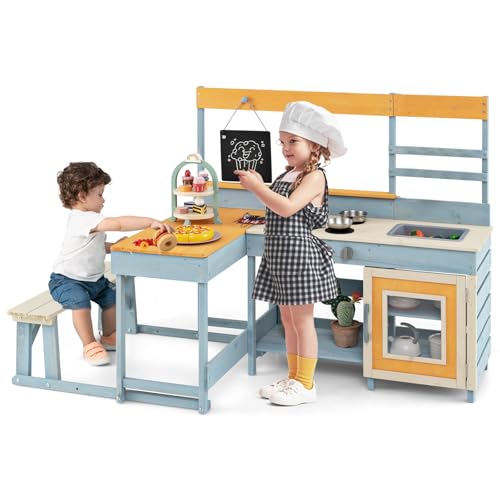
- Sand and water play stations
For school-aged children, consider equipment that encourages group play and physical challenges. This includes larger climbing structures, zip lines, and obstacle courses, which not only provide physical activity but also enhance teamwork and problem-solving skills.
People Also Look For:
- Swing Slide,6-in-1 Toddler Slide and Swing Set with Basketball Hoop, Garden Climbing Frame,Telescope,Storage,Stable and Durable La...
- 210D Silver-Coated Sunshade Canopy for Outdoor Playground Equipment – Waterproof, UV-Resistant Shade Cover for Swings, Slid...
- Rebo Glide Wooden Single Swing Set with 6ft Slide and Swing Seat – Orchid (Navy Blue Baby Swing) | OutdoorToys | Kids Outdo...
- Sportspower 10ft Bounce Pro Trampoline with Safety Enclosure
- COSTWAY Kids Wooden Sandpit, 116x113cm Sand Play Station with Built-in Bench Seats, Storage Boxes, Flags and Protective Bottom Lin...
Prioritizing Safety Standards
Safety is a top priority when it comes to play equipment. As we navigate through 2026, regulations have become stricter, ensuring that play equipment meets high safety standards. Always check whether the equipment complies with local and national safety guidelines. This includes looking for certifications from recognized safety organizations.
In addition to compliance, the materials used in the construction of play equipment are critical. Equipment made from high-quality, durable materials can withstand the test of time and the wear and tear caused by energetic play. Look for equipment that uses non-toxic finishes and is free from sharp edges or protruding parts.
Conducting Safety Inspections
Regular inspections of play equipment are necessary to maintain safety standards. Create a schedule for periodic checks to ensure that all components are secure and that there are no signs of wear. Pay special attention to the following:
- Check for rust or corrosion on metal parts.
- Inspect wooden structures for splinters or cracks.
- Ensure that all fasteners are tight and secure.
Choosing the Right Location
The location of play equipment plays a vital role in its effectiveness and safety. When selecting a site, consider factors such as accessibility, visibility, and proximity to other facilities. A well-placed play area encourages children to engage in physical activity while allowing parents to supervise easily.
In 2026, the concept of inclusive play spaces is gaining momentum. These spaces are designed to accommodate children of all abilities. When choosing a location, think about integrating accessible paths, sensory play elements, and adaptive equipment for children with disabilities. This not only promotes inclusivity but also enriches the play experience for all children.
Creating a Safe Play Environment
In addition to the location, the surrounding environment must be considered. Ensure that the play area has adequate safety surfacing such as rubber mats or mulch to cushion falls. The area should also be free from hazards like sharp objects, water bodies, or busy roads.
- Assess the traffic flow around the play area.
- Ensure proper drainage to avoid water pooling.
- Provide shaded areas to protect children from sun exposure.
Engaging Children in the Decision Process
Engaging children in the decision-making process regarding play equipment can yield significant benefits. In 2026, child-centered approaches are increasingly recognized for their positive impact on children's development and satisfaction. By allowing children to express their preferences and interests, you can ensure that the play equipment chosen resonates with their needs and desires.
Consider organizing a day where children can test different types of play equipment. This hands-on experience can provide valuable insights into what types of play activities they enjoy most. Additionally, seeking feedback from children on existing equipment can offer perspectives on improvements or new features they would like to see.
Surveying Community Needs
Involving the community in the decision-making process can also be beneficial. Hosting community forums or surveys allows for a collaborative approach in selecting play equipment. Engaging parents, educators, and local organizations can lead to more informed choices that reflect the collective needs of the community.
By understanding the preferences of various stakeholders, you can make decisions that not only meet safety and developmental standards but also foster a sense of ownership and pride among community members.