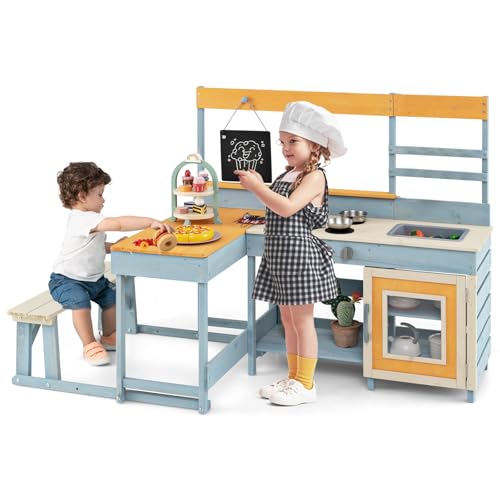
Eco Friendly Toys for Your Child How to Choose
As parents become more environmentally conscious, the demand for eco friendly toys continues to rise. In 2026, choosing safe and sustainable toys for children has become a priority for many families. Eco friendly toys not only provide a healthier play environment but also instill values of sustainability and responsibility in young minds. This article delves into effective strategies to select the best eco friendly toys for your child.
Understanding Eco Friendly Materials
In 2026, the market offers a variety of materials that are not only safe for children but also kind to the planet. When choosing eco friendly toys, it is crucial to understand the materials used in their production. Common eco friendly materials include organic cotton, bamboo, recycled plastics, and sustainably sourced wood. Organic cotton is free from harmful pesticides and chemicals, making it a safe choice for soft toys and clothing.
Bamboo is another popular option due to its rapid growth and minimal environmental impact. It is highly durable and naturally antibacterial, which is ideal for toys that children frequently handle. Recycled plastics can also be transformed into colorful and durable toys, helping to reduce waste in landfills. When selecting wooden toys, ensure they are sourced from sustainably managed forests. Look for certifications such as Forest Stewardship Council to guarantee responsible sourcing.
Benefits of Eco Friendly Materials
Choosing toys made from eco friendly materials comes with numerous benefits. Not only do they provide a safer play experience, but they also contribute to environmental conservation. For instance, toys made from organic materials reduce the exposure of children to harmful chemicals that are often found in conventional toys.
Furthermore, eco friendly toys often have a longer lifespan due to their robust materials, which means less waste and fewer replacements over time. This durability not only saves money for parents but also promotes a culture of sustainability among children. By engaging with eco friendly toys, children learn the importance of caring for the environment, fostering a sense of responsibility from an early age.
People Also Look For:
- AIYAPLAY Climbing Frame for Toddlers Indoor Climbing Frame, 9 in 1 Wooden Baby Indoor Playground with Ramp, Slide, Arch, Ladder, B...
- Rebo® Wooden Swing Set Plus Deck and Slide - Solar Green | OutdoorToys | Kids\' Playset - Sturdy Construction, Pressure Treated...
- Kids Play Tent Rocket Playhouse for Toddler Kid Boys Tent for Kids Indoor Outdoor Large Spaceship Astronaut Theme Pop-up Tents Por...
- SPOTRAVEL Mini Trampoline for Kids, Cute Children Rebounder Trampoline with Foam Handle and Safety Padded Cover, Indoor Outdoor To...
- Trampoline, 6FT Trampoline for Toddlers, Kids Trampolines with Accessories - Safety Enclosure Net High Elasticity Cover Pad, Toddl...
Safety Standards and Certifications
As you explore options for eco friendly toys, it is essential to consider safety standards and certifications. In 2026, many countries enforce stringent safety regulations to protect children from hazardous materials. Look for toys that comply with safety standards such as ASTM, EN71, and CPSIA. These certifications indicate that the toys have been rigorously tested for safety and quality.
In addition to safety compliance, look for labels indicating that toys are free from harmful chemicals such as phthalates, BPA, and lead. Many reputable brands now prioritize transparency in their manufacturing processes, providing detailed information about the materials and safety measures used in their products. This transparency helps parents make informed choices.
Choosing Age Appropriate Toys
Selecting eco friendly toys that are suitable for your child’s age is crucial. In 2026, there is an abundance of options tailored to various developmental stages. For infants and toddlers, soft toys made from organic cotton or plush materials are ideal as they are safe for mouthing and tactile exploration.
For preschoolers, consider toys that encourage imaginative play, such as building blocks made from sustainably sourced wood. These toys not only stimulate creativity but also enhance fine motor skills. As children grow older, educational toys that promote problem-solving and critical thinking become essential. Look for options that are made from eco friendly materials and designed to engage young minds without compromising safety.
Involving Children in the Selection Process
An effective way to teach children about eco friendly choices is to involve them in the selection process. In 2026, many parents are finding that allowing children to participate in choosing their toys can foster a deeper understanding of sustainability. Take your child shopping and discuss the features of eco friendly toys, emphasizing the importance of choosing items that are good for their health and the environment.
Encouraging children to express their preferences can help develop their decision-making skills. You might present them with a few options and explain the benefits of each. For example, if you are considering a wooden toy versus a plastic one, discuss how the wooden toy is more sustainable and often lasts longer. This approach not only educates them about eco friendly practices but also empowers them to make thoughtful choices.
Exploring Local and Artisanal Options
In 2026, there has been a significant rise in local and artisanal toy makers who focus on producing eco friendly products. Supporting these small businesses not only contributes to the local economy but also often results in unique and high quality toys. Many local artisans prioritize sustainable practices, using materials that are sourced responsibly and crafted with care.
When shopping for toys, consider visiting local craft fairs or markets where you can find handmade, eco friendly options. Not only do these toys often have a personal touch, but they also carry a story that can enhance a child's play experience. Encouraging children to appreciate handmade products can instill a sense of value and respect for craftsmanship, further enriching their understanding of what it means to choose responsibly.
Engaging in Sustainable Playtime
In addition to selecting eco friendly toys, engaging in sustainable playtime practices is equally important. In 2026, families are encouraged to create play environments that are not only safe but also environmentally friendly. This can involve setting up play areas that utilize natural light and are free from toxic materials.
Consider incorporating outdoor play, which allows children to connect with nature. Outdoor activities promote physical health and provide opportunities for children to explore their environment. By prioritizing eco friendly toys and sustainable play practices, parents can create a holistic approach to their child’s development that aligns with contemporary values of environmental stewardship.