Creative Ways to Make Playtime Fun Again in 2026
In 2026, parents and educators face the challenge of keeping playtime engaging and enriching for children. As digital distractions proliferate, it becomes crucial to foster environments that prioritize imaginative play. This guide explores inventive ways to revitalize playtime, ensuring that children not only enjoy their activities but also develop essential skills in the process.
Incorporating Nature into Playtime
One of the most effective strategies for enhancing playtime in 2026 is by incorporating nature. Outdoor play not only encourages physical activity but also stimulates creativity and problem-solving skills. Parents can create nature scavenger hunts where children search for specific items like leaves, stones, or flowers. This activity not only promotes exploration but also teaches kids about their environment.
Consider organizing community nature walks where families come together to explore local parks or reserves. Such events can be designed to include interactive tasks, like identifying different species or completing challenges related to the ecosystem. This approach fosters social interaction among children while deepening their appreciation for nature.
Gardening as a Playtime Activity
Gardening has emerged as a popular activity for children in 2026. By engaging kids in planting flowers or vegetables, parents can teach them about responsibility and the importance of nurturing living things. Setting up a small garden in the backyard or even using pots on a balcony can provide hands-on learning experiences.
Children can be tasked with monitoring growth, watering plants, and eventually harvesting the produce. Not only does gardening promote physical activity, but it also enhances fine motor skills and instills a sense of accomplishment. Families can also organize gardening workshops where kids learn about different plants and their benefits.
Embracing Technology for Interactive Play
In 2026, technology plays an essential role in children's lives. However, instead of viewing it as a distraction, parents can embrace technology to create interactive play experiences. Augmented reality games can bring stories to life, allowing children to engage in a blend of physical and digital play. For instance, children can explore their neighborhoods while using AR apps to uncover hidden treasures or complete quests based on local history.
Moreover, coding games have gained popularity, allowing children to learn programming concepts through play. By creating their own games or apps, kids develop critical thinking and problem-solving skills. Numerous platforms offer courses tailored for children, making learning both fun and educational.
Combining Play with Learning
One of the most rewarding ways to make playtime fun again is by merging play with educational elements. In 2026, many parents utilize resources that encourage learning through play. This can include board games that teach math or language skills, interactive storytelling sessions, or art projects that explore scientific concepts.
People Also Look For:
- AIYAPLAY Wooden Kids Sandpit, Boat Sandbox with Canopy, Seats, Rudder & Non-woven Fabric Bottom Liner, Outdoor Sand Pit for Childr...
- Yulokdwi Remote Control Excavator Toy - Sand Digger - Construction Toys with Lights and Sounds | for Kids Ages 3-8 Birthday Sandbo...
- VEVOR 6 in 1 Set with 2 Swings, Trapeze Bar, Ladder, Climbing Net, and Basketball Hoop, 440lbs Load Capacity Heavy-Duty Metal Swin...
- 210D Silver-Coated Sunshade Canopy for Outdoor Playground Equipment – Waterproof, UV-Resistant Shade Cover for Swings, Slid...
- Rebo Glide Wooden Single Swing Set with Swing Seat – Dandelion (Navy Blue Baby Swing) | OutdoorToys | Kids Outdoor Wooden P...
For instance, using science kits to conduct simple experiments can captivate children's imagination. They can learn about chemical reactions or physics principles while having fun. These activities help children understand complex concepts in an engaging manner, making learning enjoyable and memorable.
Community Play Initiatives
Building a sense of community can significantly enhance playtime experiences. In 2026, communities are increasingly organizing play initiatives that encourage collaboration and creativity among children. Local parks can host themed play days where families participate in various activities, from relay races to art contests. Such events foster social interaction while allowing children to showcase their talents.
Moreover, community centers can facilitate workshops where children can learn new skills together, such as cooking, crafting, or sports. These initiatives not only provide structured play but also help children develop teamwork and communication skills. Parents can also take an active role by volunteering to lead activities or share their expertise in specific areas.
Creating Safe Play Spaces
Ensuring that play environments are safe and stimulating is vital in 2026. Parents and communities can work together to create designated play areas that include diverse equipment and materials that encourage imaginative play. From climbing walls to interactive installations, these spaces can cater to various age groups and interests.
Incorporating sensory elements, such as water features or textured surfaces, can enhance the play experience. Play spaces designed with natural elements, like logs or boulders, promote risk-taking and creativity while ensuring safety. Furthermore, community involvement in maintaining these spaces can foster pride and responsibility among children.
Utilizing Role-Playing Games
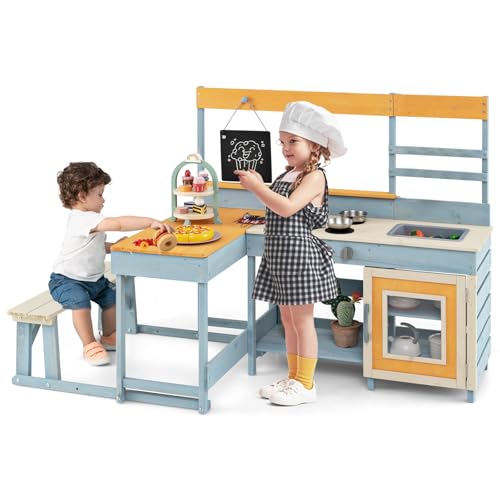
Role-playing games have gained traction as a powerful tool for imaginative play in 2026. Children enjoy stepping into various characters and scenarios, which encourages creativity and storytelling. Parents can facilitate role-playing by providing costumes, props, or themed playsets that spark imagination.
Engaging in role-play scenarios allows children to explore different perspectives and develop emotional intelligence. For example, setting up a mock grocery store can teach kids about commerce while allowing them to practice social skills. These activities can be enhanced by incorporating educational themes or real-world challenges that encourage problem-solving.
Encouraging Creative Expression
Allowing children to express themselves creatively significantly enhances their play experience. In 2026, art and crafting activities are pivotal in fostering imagination. Parents can provide various materials for children to experiment with, from paint and clay to recycled materials.
Organizing art exhibitions or showcases within the community can motivate children to create and share their work. This not only boosts their confidence but also encourages them to appreciate the creativity of their peers. Art therapy sessions have also become popular, helping children navigate emotions while developing their artistic skills.
Engaging in Physical Activities
Physical play remains essential for child development in 2026. Parents can explore various options to keep children active, from team sports to individual pursuits. Joining local sports leagues can provide children with opportunities to learn teamwork and discipline while having fun.
Additionally, creating obstacle courses at home or in local parks can be an exciting way to engage children. Obstacle courses can be tailored to different age groups, ensuring that every child can participate and challenge themselves. These activities promote fitness while allowing children to develop coordination and agility.
Fostering a Love for Reading
Incorporating reading into playtime can significantly enhance children's learning experiences. In 2026, many parents are utilizing storytelling sessions to cultivate a love for reading. By making reading interactive, such as acting out stories or creating puppet shows, children become more engaged with the material.
Book clubs for children can also be organized, where kids discuss their favorite stories and share their interpretations. This encourages critical thinking while developing communication skills. Parents can visit local libraries to discover new books and resources that make reading an enjoyable part of playtime.
Exploring Cultural Play Experiences
Exposing children to diverse cultures enhances their understanding of the world. In 2026, families can explore cultural play experiences through festivals, cooking classes, or art workshops. Engaging children in activities that celebrate different traditions fosters appreciation and respect for diversity.
Parents can organize cultural exchange events where families share food, stories, and games from their backgrounds. Such experiences not only enrich children's lives but also teach them valuable lessons about empathy and understanding. Incorporating global themes into play can broaden children's horizons and create a sense of community.